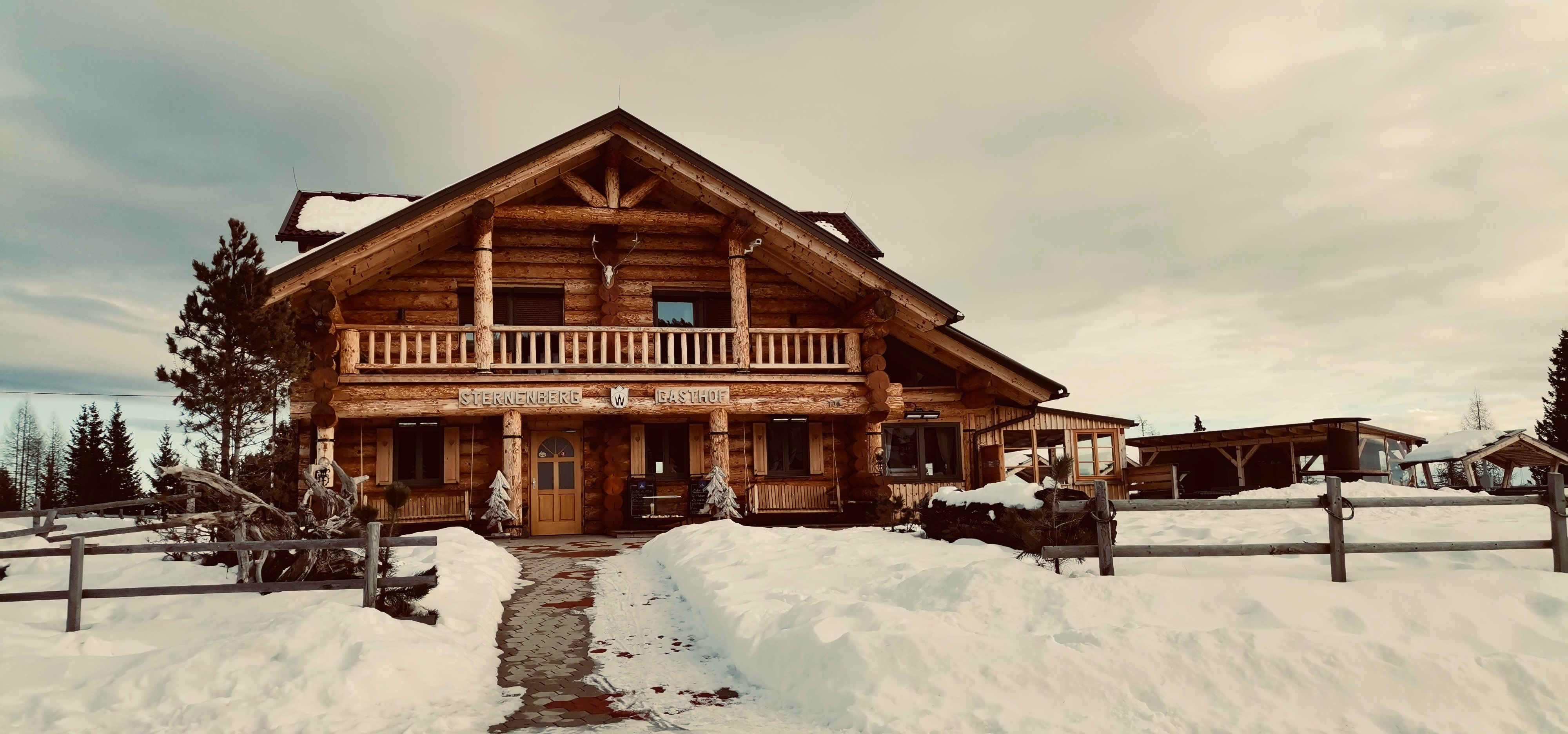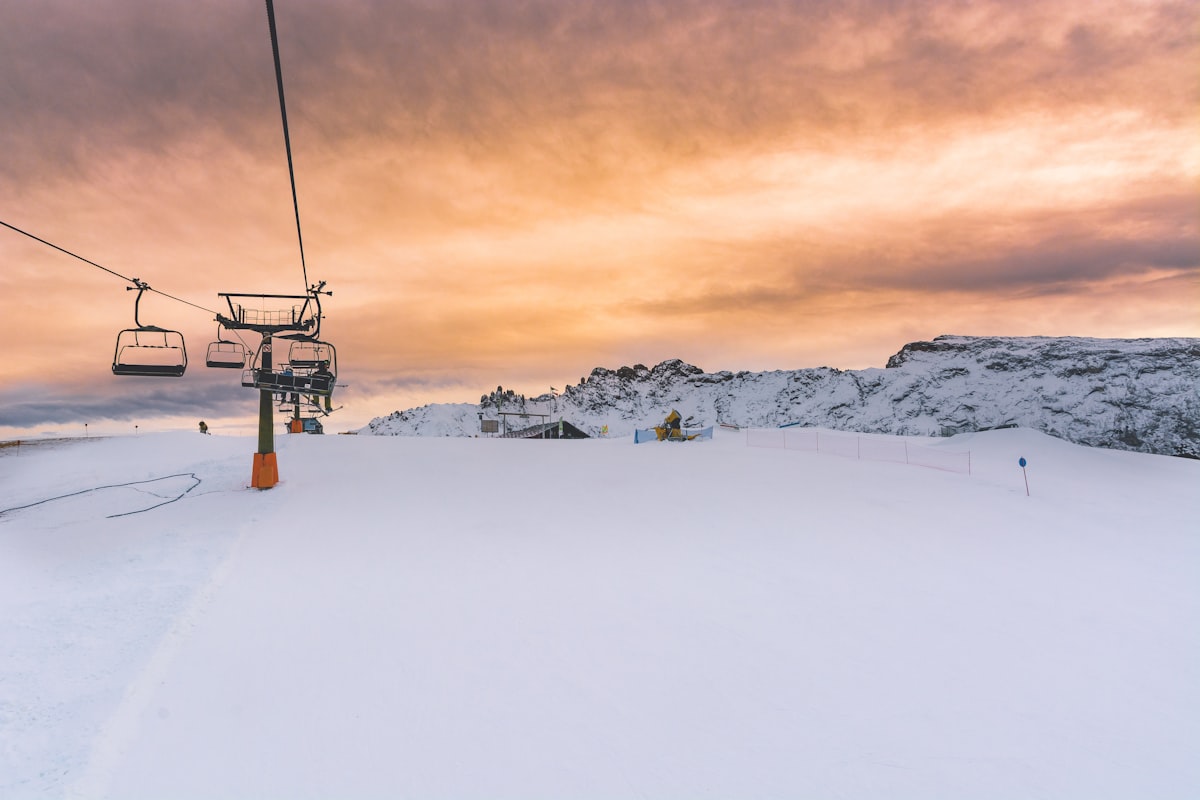
Macugnaga is a ski resort in the Northern Alps massif, in Valle Anzasca, Piedmont, Italy 🇮🇹. The ski area stretches over 32 km of runs between 1,347 m and 2,900 m, served by 9 lifts. Day lift pass 34€ per adult.
* Price per adult for 1 day, public high-season rate. Reduced rates (online purchase, outside school holidays, families, children, seniors) are generally offered by the resort.
The breakdown of runs is given as a percentage of the kilometres for each difficulty level. Macugnaga, at the far end of the Valle Anzasca, faces the east face of Monte Rosa, one of the highest walls in the Alps. Its ski area climbs up to 2,900 m.
- East face of Monte Rosa
- Walser village
- Summit at 2,900 m
Based on the resort's altitude and historical snow reliability
A resort on a human scale, Macugnaga puts its emphasis on warm welcome and closeness rather than on impressive figures. Its 32 km of runs are a perfect fit for a 3- to 4-day stay, especially for families or skiers who don't need to constantly find new terrain. Macugnaga's family reputation is well deserved: dedicated beginner areas, well-groomed green runs and a laid-back atmosphere at the foot of the lifts. It is one of the most reassuring resorts in the Northern Alps for getting children started on skiing. With a summit at 2,900 m and a village at 1,347 m, snow reliability at Macugnaga is generally dependable from January to the end of March. A few exceptionally mild winters can cause shortages early in the season, but conditions recover quickly once the first decent snowfalls arrive. The day lift pass at 34€ remains reasonable for the quality of the ski area on offer. Counting accommodation, skiing and meals, Macugnaga suits those who want a good week without the final bill knocking them off their chair. In short: Macugnaga doesn't compete with the ski giants, and doesn't pretend to. It's an honest destination, often underrated, that deserves to be (re)discovered.
Source: Open-Meteo.com · Data updated in real time
Above 2,000 m, snow is generally guaranteed from mid-December to late March. Real-time data: Open-Meteo (weather model). Monthly averages: estimates based on the resort's historical data.