
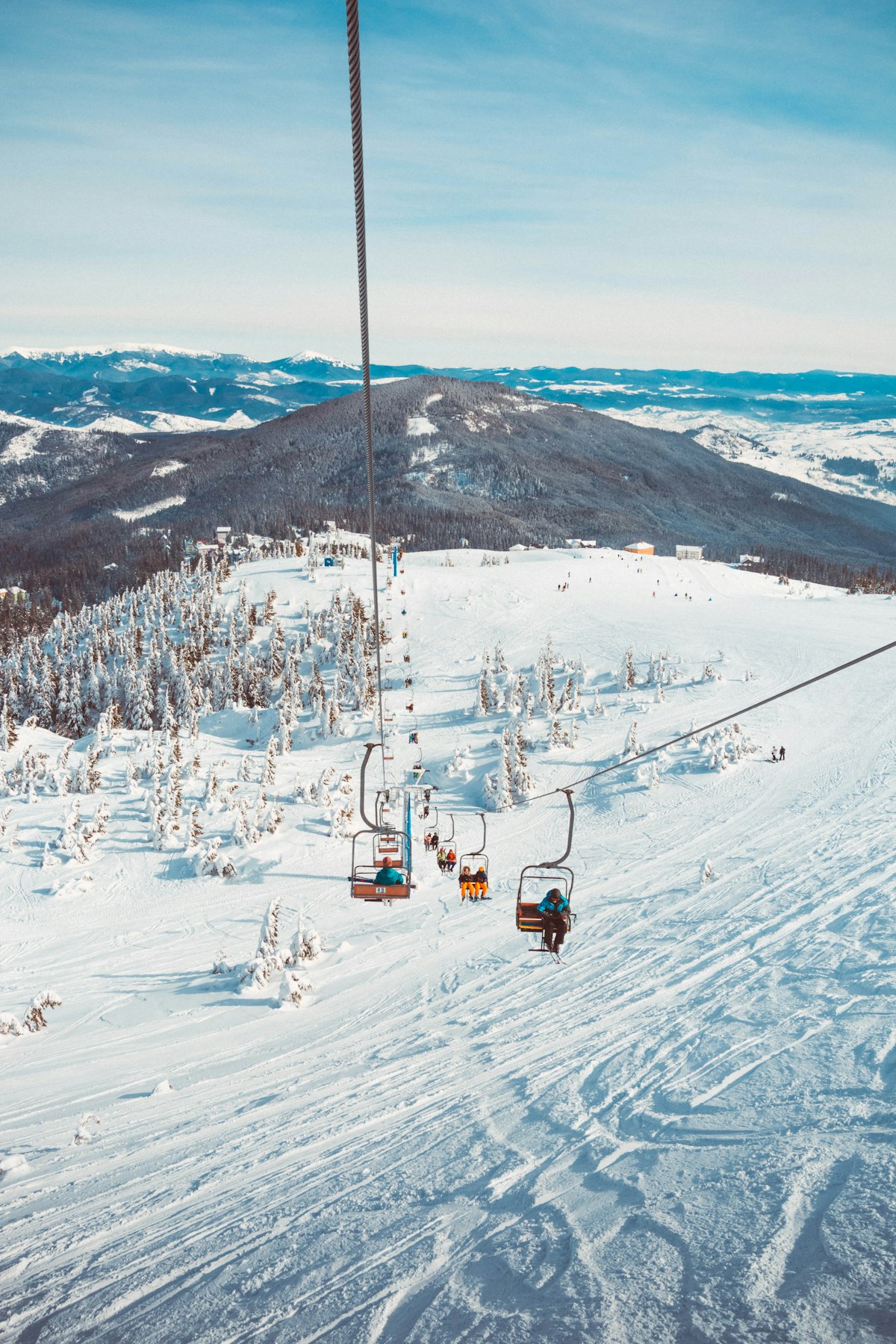
Vigo di Fassa is a ski resort in the Northern Alps range, in Val di Fassa, Trentino, Italy 🇮🇹. The ski area covers 14 km of runs between 1,322 m and 2,095 m, served by 6 lifts. Day lift pass €76 per adult.
* Price per adult for 1 day, public high-season rate. Reduced rates (online purchase, outside school holidays, families, children, seniors) are generally offered by the resort.
The distribution of runs is given as a percentage of the kilometres for each difficulty level. Vigo di Fassa and Pera give access to the small Ciampedie ski area, at the foot of the Catinaccio, the Rosengarten of Ladin legends.
- Facing the Catinaccio (Rosengarten)
- Family ski area
- Dolomiti Superski lift pass
Based on the resort's altitude and historical snow reliability
Vigo di Fassa is a low-key resort on a modest scale: 14 km of runs for an intimate skiing experience, far from the bustle of the big resorts. This is where you come for calm, authenticity and no queues at the lifts. Vigo di Fassa's family reputation is well earned: dedicated beginner areas, well-groomed green runs and a friendly atmosphere at the foot of the lifts. It is one of the most reassuring resorts in the Northern Alps for laying the foundations of skiing with children. Vigo di Fassa's altitude (1,322 m at the base, 2,095 m at the top) helps it maintain decent snow cover in midwinter. January and February are the most reliable months; in December and March, it is worth checking conditions before finalising a booking. Budgeting for a stay in Vigo di Fassa is clearly on the higher side: €76 for the day lift pass, plus accommodation and mountain restaurants that are among the most expensive in the Alps. It is the price of excellence, but you should be aware of it before you go. In short: Vigo di Fassa does not compete with the giants of skiing, and does not claim to. It is an honest destination, often underestimated, that deserves to be (re)discovered.


Source: Open-Meteo.com · Data updated in real time
Above 2,000 m, snow is generally guaranteed from mid-December to late March. Real-time data: Open-Meteo (weather model). Monthly averages: estimates based on the resort's historical data.

