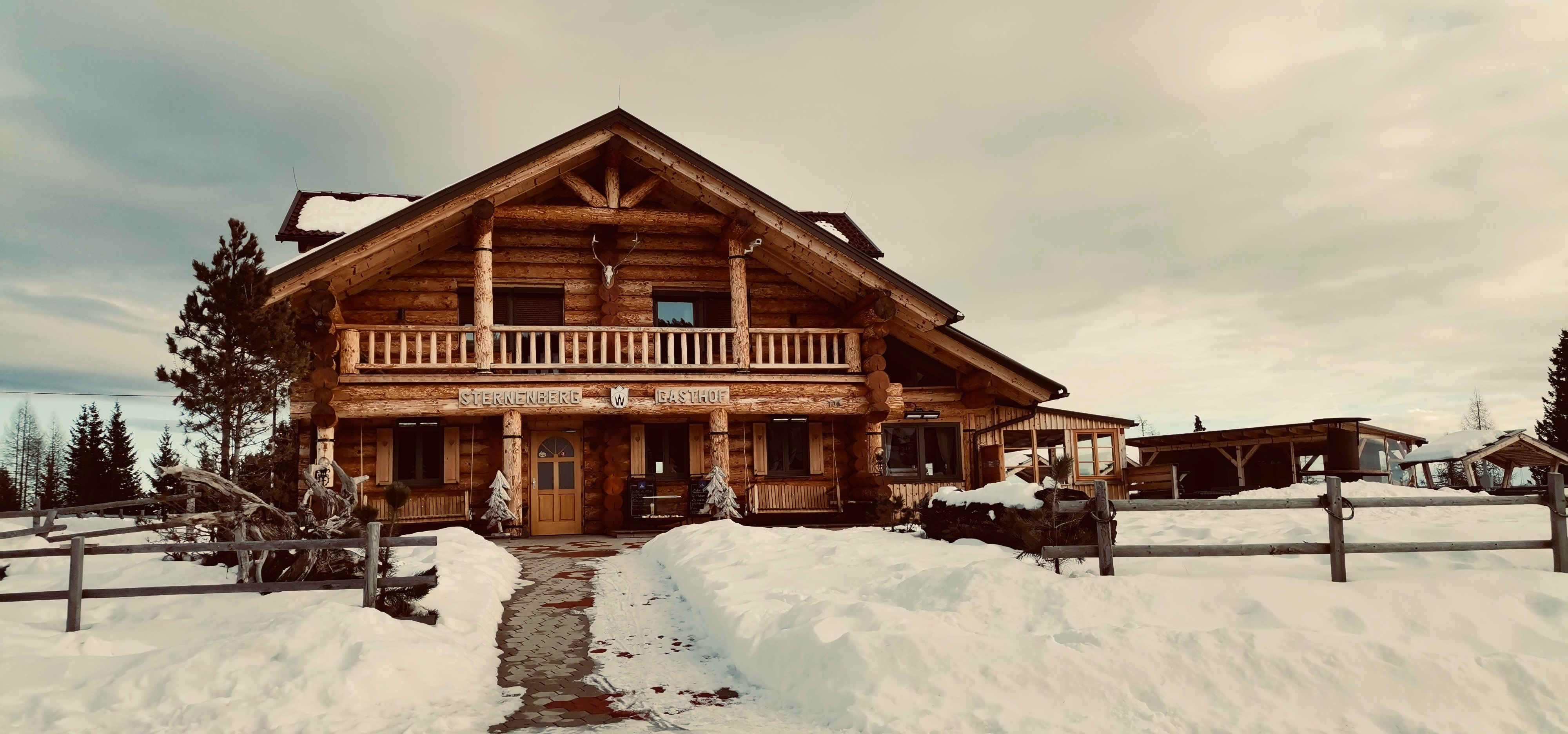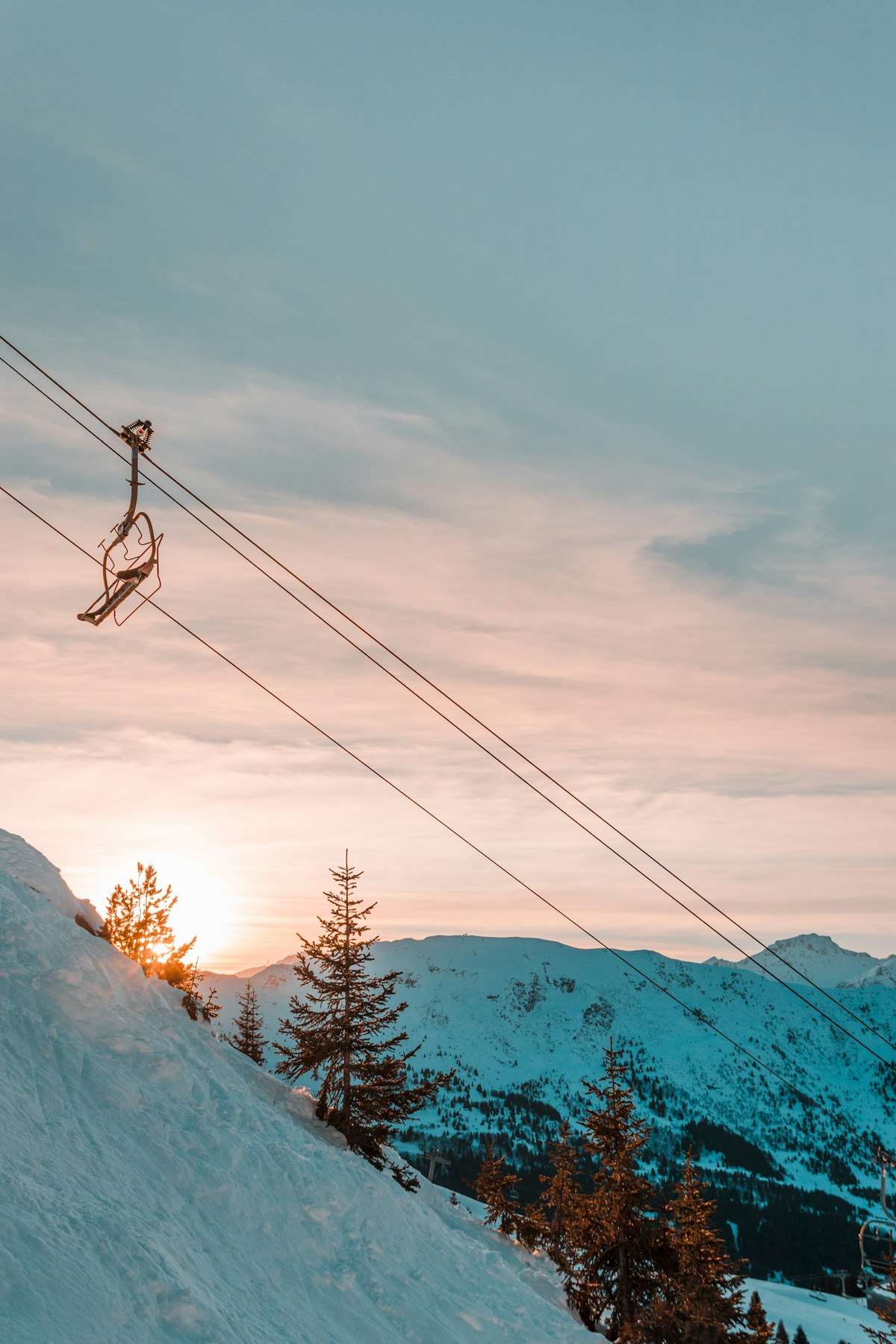
Kandersteg is a ski resort in the Northern Alps range, in Kandertal, Bern, Switzerland 🇨🇭. The ski area stretches over 13 km of pistes between 1,200 m and 1,730 m, served by 6 lifts. Day lift pass 42€ per adult.
* Price per adult for 1 day, public high-season rate. Reduced rates (online purchase, outside school holidays, families, children, seniors) are generally offered by the resort.
The breakdown of runs is given as a percentage of the kilometres for each difficulty level. Kandersteg is a village at the bottom of the Kandertal. Its small ski area climbs towards the Oeschinensee, a famous mountain lake within the Jungfrau-Aletsch World Heritage perimeter.
- Oeschinen Lake nearby
- Mountain village
- Renowned cross-country skiing
Based on the resort's altitude and historical snow reliability
Kandersteg is a low-key resort on a modest scale: 13 km of pistes for an intimate skiing experience, far from the bustle of the big resorts. This is where you come for calm, authenticity and no queues at the lifts. Kandersteg's reputation as a family resort is well earned: dedicated beginner areas, well-groomed green runs and a friendly atmosphere at the foot of the lifts. It is one of the most reassuring resorts in the Northern Alps for laying the foundations of skiing with children. The moderate altitude of Kandersteg, starting at 1,200 m and rising to 1,730 m, makes it sensitive to climatic variations. January and February remain the safest months for optimal snow cover. Outside this window, checking the snow reports before you leave is strongly advised. At €42, the day lift pass places Kandersteg among the mid-range resorts on price: neither cheap nor exorbitant. The quality of the ski area and its facilities justifies this price for most skiers. In short, Kandersteg does not rival the giants of skiing, and does not claim to. It is an honest destination, often underrated, that deserves to be (re)discovered.
Source: Open-Meteo.com · Data updated in real time
At this altitude, snow reliability depends on the conditions of the year. Check the state of the runs before you leave. Real-time data: Open-Meteo (weather model). Monthly averages: estimates based on the resort's historical data.