
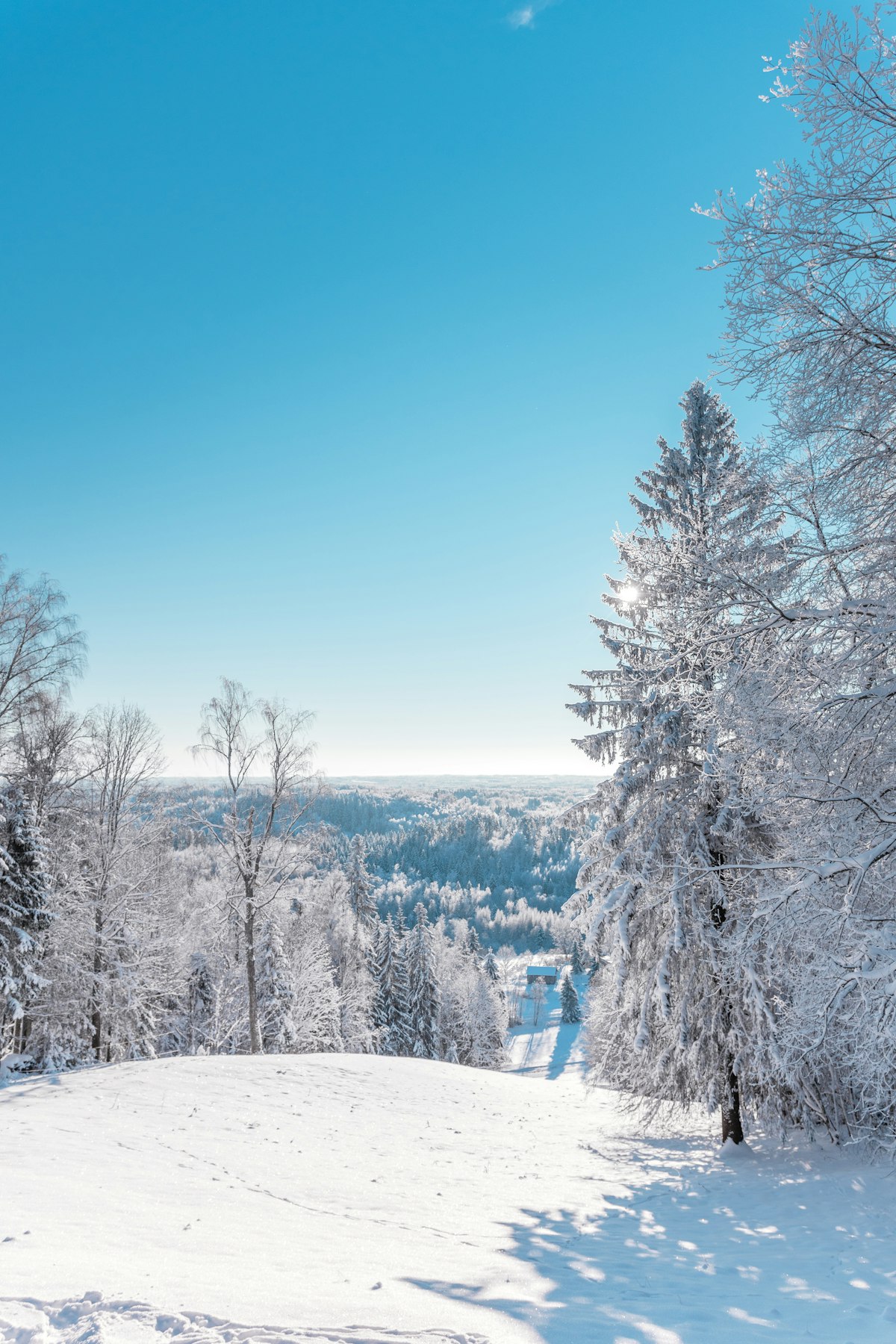
Wurmberg (Braunlage) is a ski resort in the Moyenne montagne range, in Harz, Lower Saxony, Germany 🇩🇪. The ski area stretches over 12 km of runs between 565 m and 970 m, served by 5 lifts. Day lift pass 45€ per adult.
* Price per adult for 1 day, public high-season rate. Reduced rates (online purchase, outside school holidays, families, children, seniors) are generally offered by the resort.
The distribution of runs is given as a percentage of the kilometres for each difficulty level. The Wurmberg overlooks Braunlage, in the Harz mountains. It is the largest ski area in northern Germany after the Sauerland, with 12 km of runs, mostly blue.
- Largest ski area in the Harz
- Mostly blue runs
- Northern Germany
Based on the resort's altitude and historical snow reliability
Wurmberg (Braunlage) is a low-key resort on a modest scale: 12 km of runs for an intimate skiing experience, far from the bustle of the big resorts. This is where you come for calm, authenticity and no queues at the lifts. Wurmberg (Braunlage)'s family reputation is well earned: dedicated beginner areas, well-groomed green runs and a friendly atmosphere at the foot of the lifts. It is one of the most reassuring resorts in the Moyenne montagne for getting children started on skiing. The moderate altitude of Wurmberg (Braunlage) — base at 565 m, summit at 970 m — makes it sensitive to climate variations. January and February remain the most reliable months for optimal snow cover. Outside this window, checking the snow reports before setting off is strongly recommended. At a day lift pass of 45€, Wurmberg (Braunlage) sits in the intermediate range for budget — neither cheap nor exorbitant. The quality of the ski area and its facilities justifies this price for most skiers. In short: Wurmberg (Braunlage) does not rival the giants of skiing, and does not pretend to. It is an honest destination, often underrated, that deserves to be (re)discovered.

Source: Open-Meteo.com · Data updated in real time
The moderate altitude makes snow cover sensitive to climate variations. Favour January–February. Real-time data: Open-Meteo (weather model). Monthly averages: estimates based on the resort's historical data.

